Understanding Natural Nutrition for Daily Vitality
An educational resource exploring how natural ingredients and balanced lifestyle practices contribute to everyday wellness and energy.
Learn more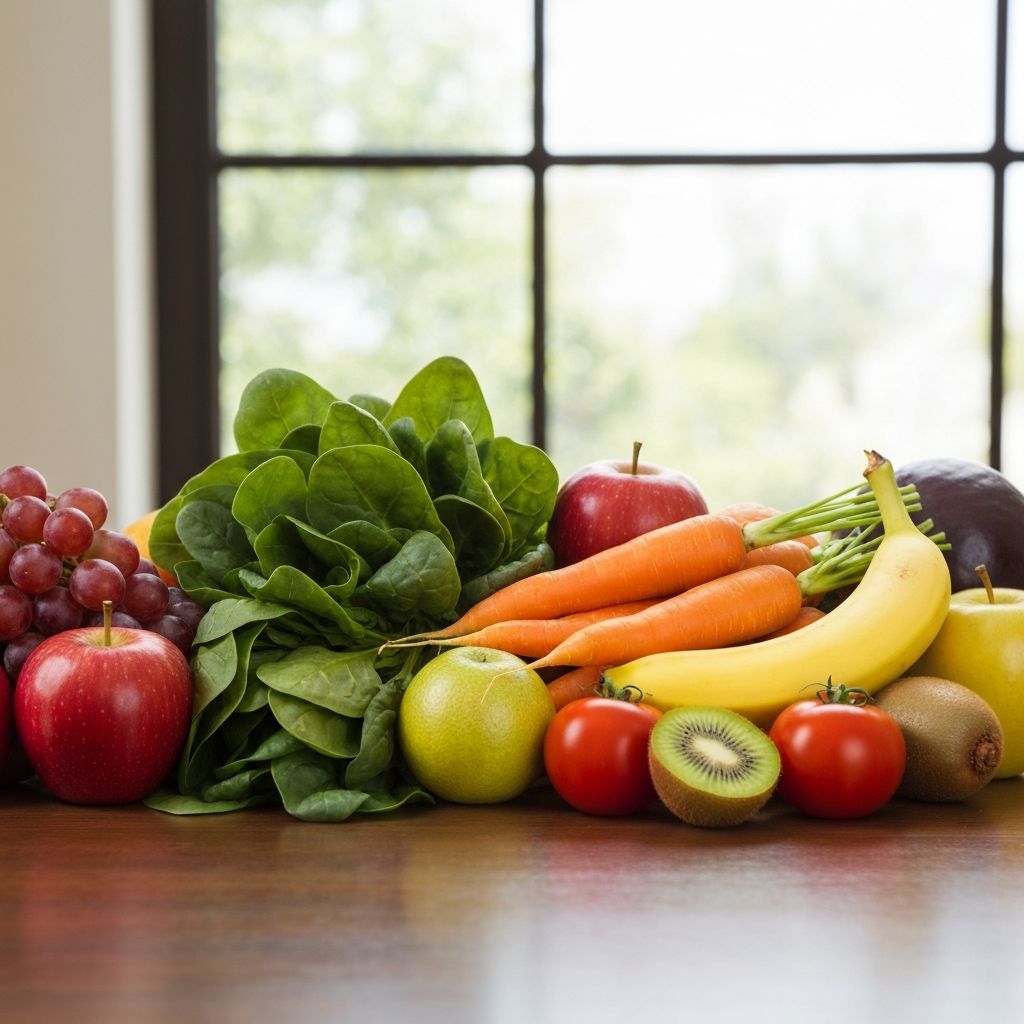
Introduction to Natural Nutrition Practices
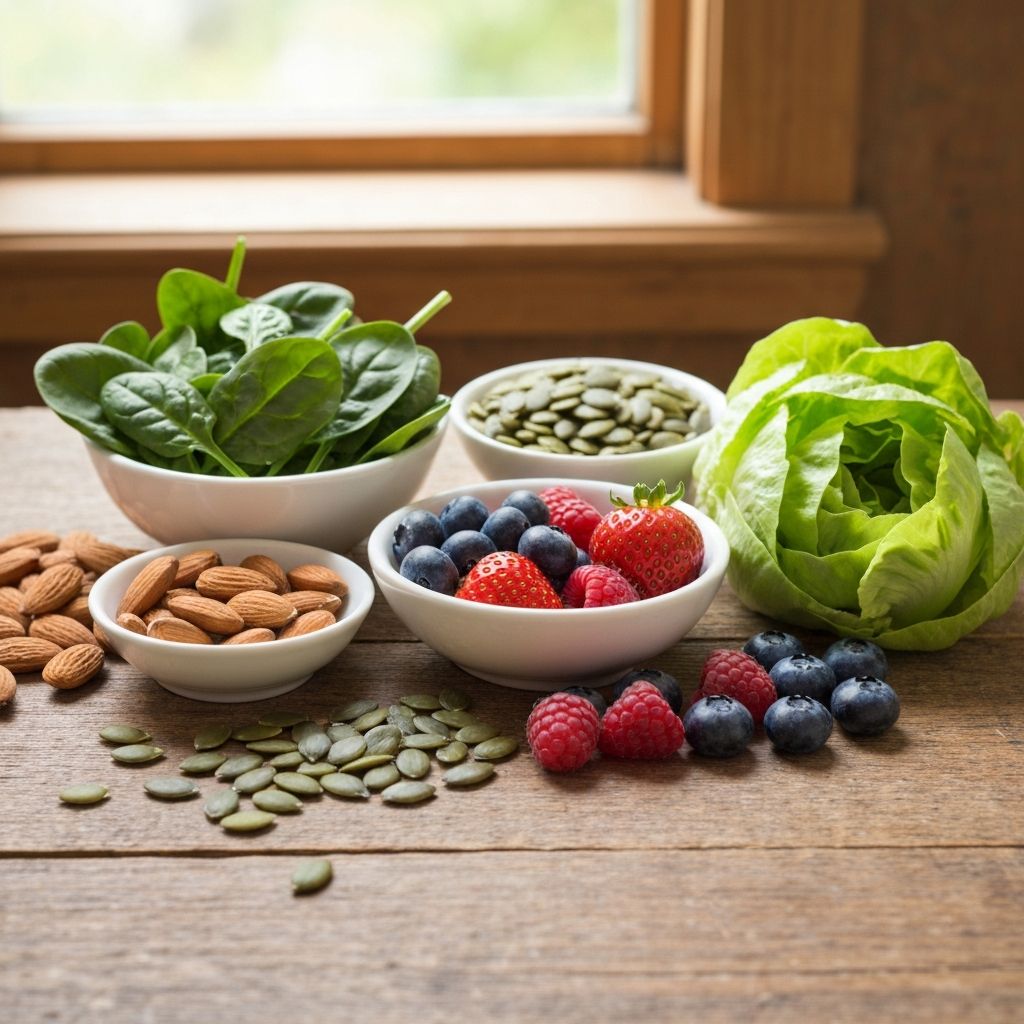
Natural nutrition encompasses the study of how whole foods, plant-based ingredients, and traditional dietary practices have been used across cultures to support daily wellness. This educational resource explores the historical and scientific context of nutrition without providing individual recommendations.
Throughout history, various societies have developed unique approaches to incorporating natural ingredients into their daily routines. Understanding these diverse perspectives helps us appreciate the complexity of nutritional science and the importance of personalized choices.
The field of nutritional education focuses on explaining concepts rather than prescribing specific actions. Each person's nutritional needs and lifestyle choices are unique and should be made in consultation with qualified professionals.
Daily Energy and Vitality Components
Energy levels throughout the day are influenced by numerous factors including sleep quality, hydration, physical activity, and nutritional intake. Scientific research has identified various components in natural foods that play roles in cellular energy production and metabolic processes.
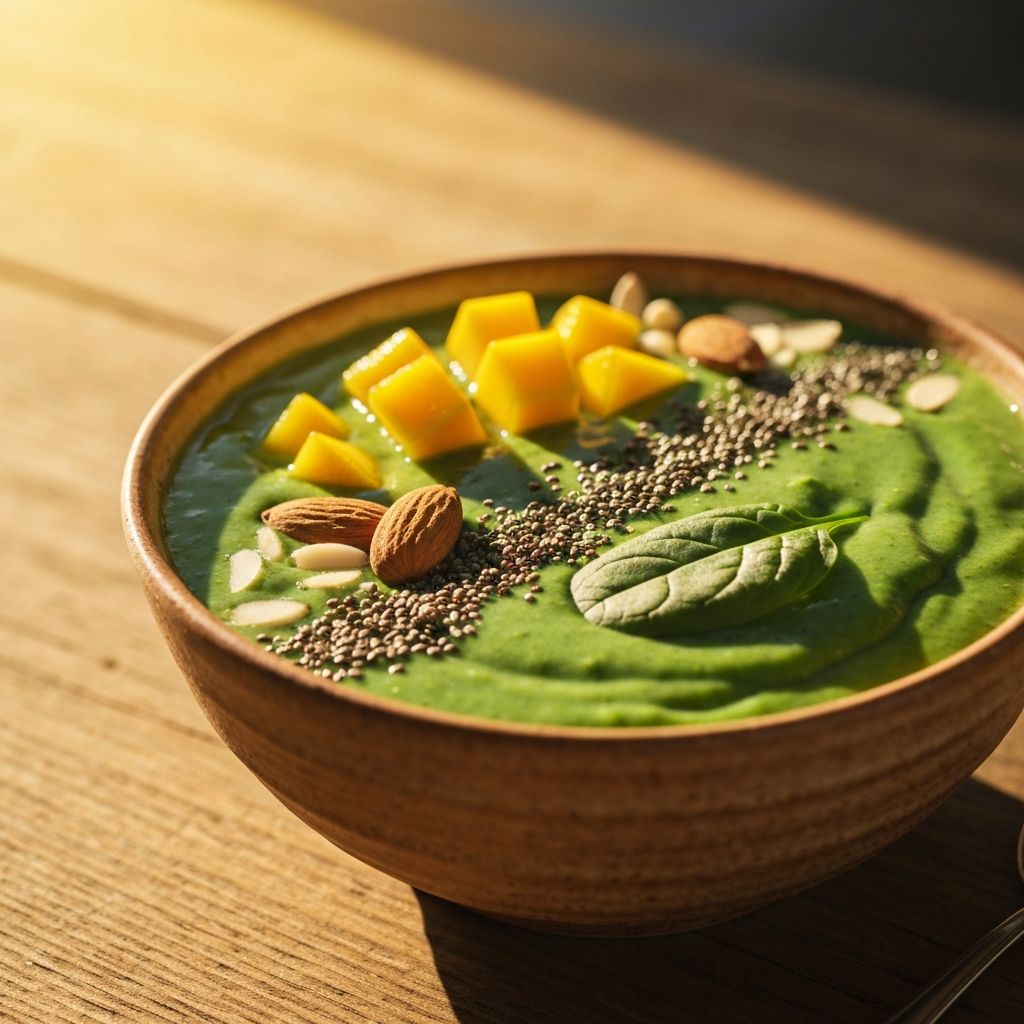
Common elements found in plant-based diets include vitamins, minerals, antioxidants, and phytonutrients. These compounds are present in fruits, vegetables, nuts, seeds, whole grains, and legumes. Educational understanding of these components helps individuals make informed decisions about their dietary choices.
The relationship between nutrition and energy is complex and varies significantly among individuals based on genetics, lifestyle, age, activity level, and overall health status. This diversity highlights why general information cannot replace personalized guidance from healthcare professionals.
Nutritional Insights for Balanced Lifestyle
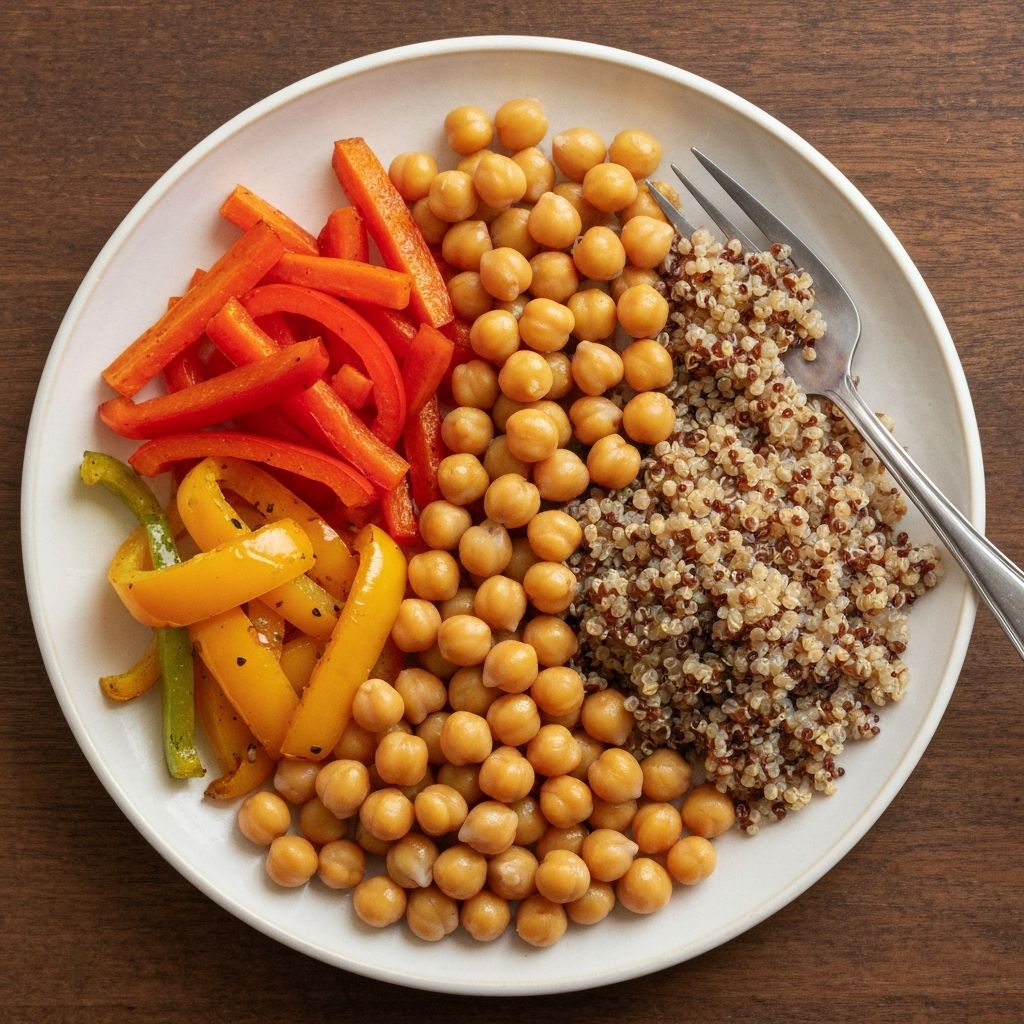
A balanced approach to nutrition considers the full spectrum of dietary components including macronutrients, micronutrients, fiber, and water. Educational materials in this field explain how different food groups contribute various nutritional elements to daily intake.
Research in nutritional science examines patterns such as Mediterranean, plant-based, whole food, and traditional dietary approaches from different cultures. These patterns are studied for their composition and historical context rather than as recommendations for specific individuals.
Understanding nutritional concepts allows for more informed conversations with healthcare providers and registered dietitians who can provide personalized guidance based on individual health status, goals, and circumstances.
Lifestyle Routines Overview
Whole Food Focus
Exploring the nutritional composition of minimally processed foods including fruits, vegetables, whole grains, legumes, nuts, and seeds in various cultural contexts.
Hydration Principles
Understanding the role of adequate fluid intake in physiological processes and how water needs vary based on activity level, climate, and individual factors.
Active Living Concepts
Educational overview of how regular physical activity complements nutritional practices in supporting overall wellness and daily energy levels.
Scientific Background on Natural Ingredients
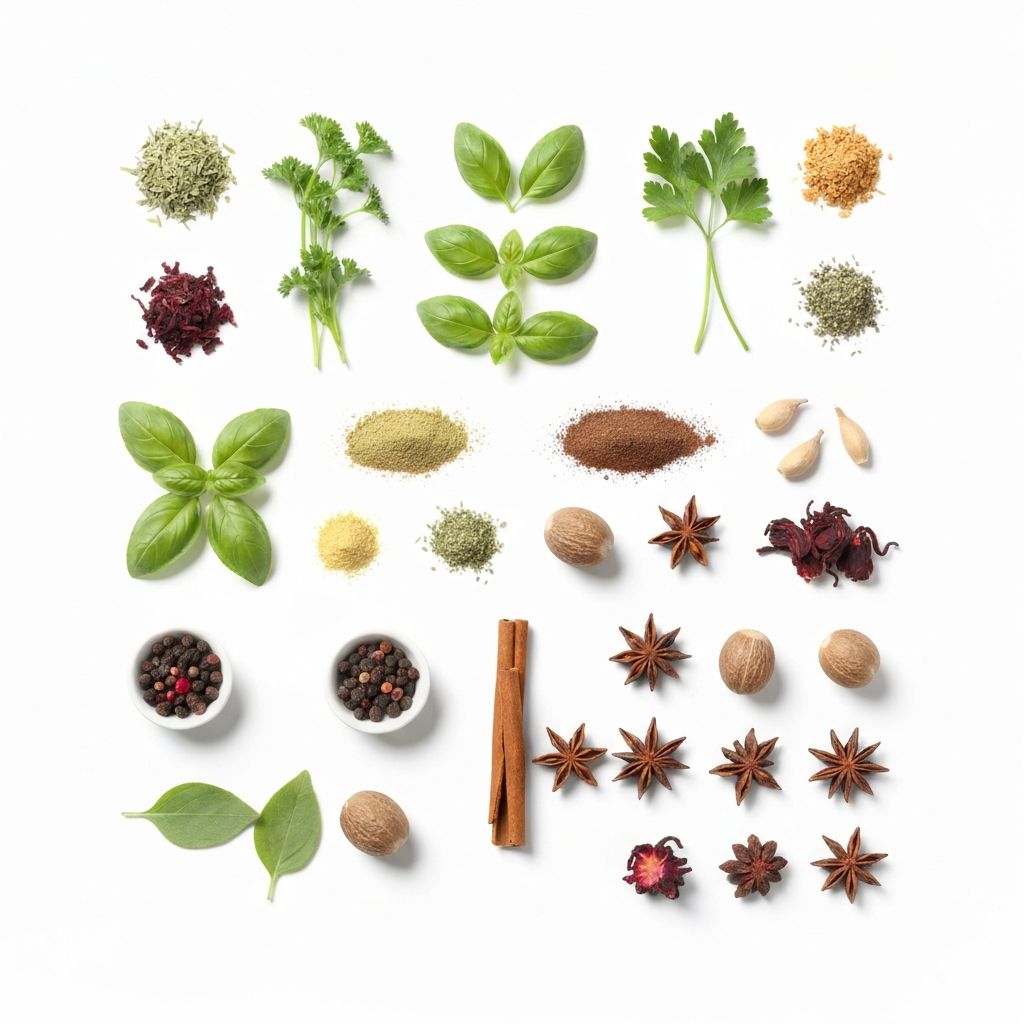
Scientific research has documented thousands of bioactive compounds present in plant-based foods. These include polyphenols, carotenoids, flavonoids, and various vitamins and minerals that have been studied in laboratory and population research settings.
Common ingredients studied in nutritional science include leafy greens, berries, cruciferous vegetables, nuts, seeds, legumes, whole grains, herbs, and spices. Research explores their composition, bioavailability, and presence in traditional diets around the world.
It is important to understand that research findings represent general observations in specific study conditions and populations. Individual responses to dietary components vary widely, and scientific understanding continues to evolve as new research emerges.
Educational resources aim to explain existing research without making claims about outcomes for specific individuals. Personal dietary decisions should always be made with appropriate professional guidance.
Common Myths and Facts
Myth: All Natural Foods Are Automatically Healthy
Fact: While many natural foods provide nutritional value, the term "natural" is not regulated and does not guarantee health benefits. Nutritional quality depends on many factors including preparation methods, portion sizes, and individual needs. Critical evaluation and professional guidance are essential.
Myth: Single Foods Can Transform Health
Fact: No single food or ingredient can independently transform health outcomes. Wellness is influenced by complex interactions of genetics, lifestyle, environment, and overall dietary patterns. Educational materials focus on understanding these complexities rather than promoting specific foods.
Myth: Natural Means Safe for Everyone
Fact: Natural substances can interact with medical conditions and prescribed treatments. Even common foods can be inappropriate for certain individuals. Any dietary changes should be discussed with qualified healthcare providers.
Myth: Nutritional Needs Are Universal
Fact: Nutritional requirements vary significantly based on age, gender, genetics, activity level, health status, and many other individual factors. General educational information cannot substitute for personalized professional assessment.
Historical and Cultural Context
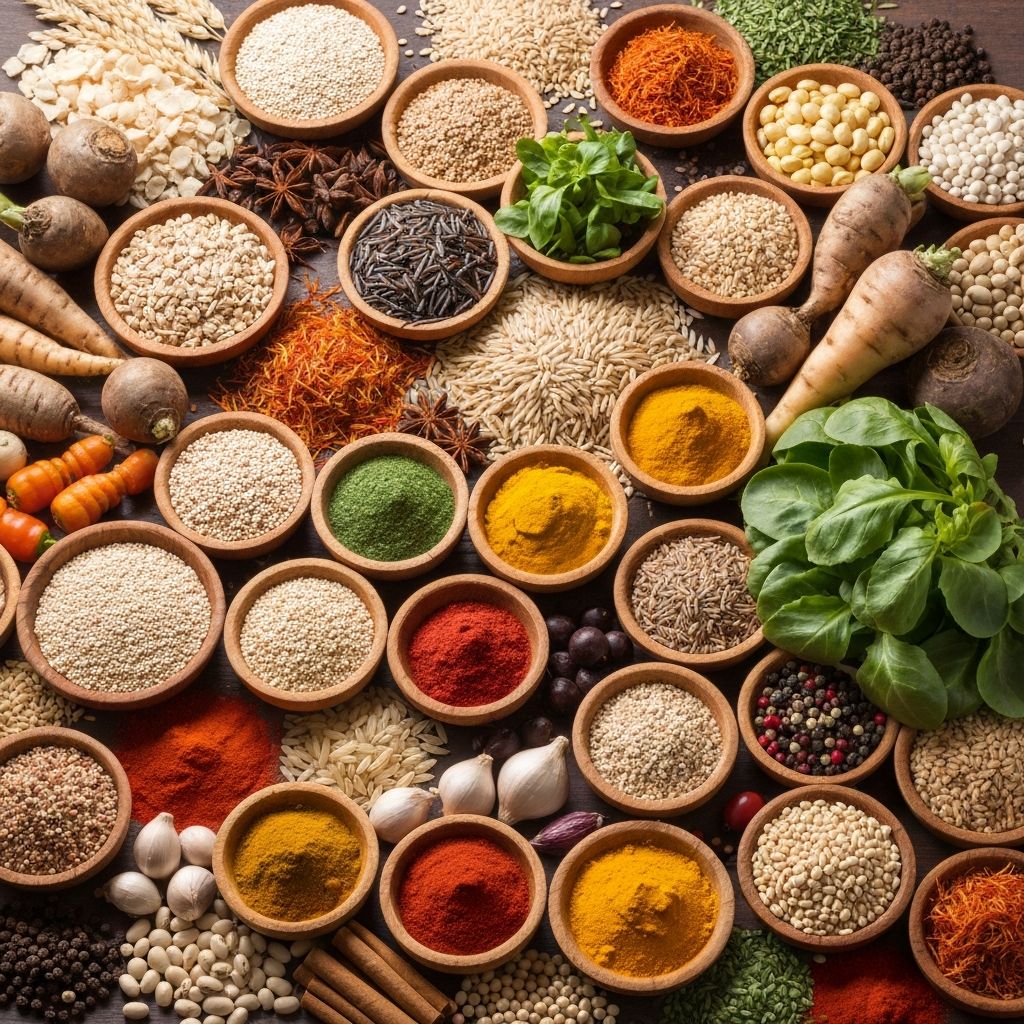
Throughout human history, different cultures have developed distinct approaches to nutrition based on available local ingredients, climate conditions, and traditional practices. Studying these diverse traditions provides valuable context for understanding modern nutritional science.
Mediterranean dietary patterns emphasize olive oil, vegetables, legumes, and fish. Asian traditions often feature rice, fermented foods, and diverse vegetables. Indigenous cultures worldwide have developed sophisticated knowledge of local plants and their uses.
Modern nutritional education draws on this rich cultural heritage while applying scientific methods to understand the composition and potential effects of various dietary approaches. This integration of traditional knowledge and scientific inquiry continues to evolve.
Understanding cultural context helps us appreciate that there is no single "correct" approach to nutrition. Different populations have thrived on vastly different dietary patterns, demonstrating human adaptability and the importance of cultural and individual factors in food choices.
Limitations and Context
Important Information About This Educational Resource
Educational Purpose Only: This website provides general educational information about nutrition, natural ingredients, and lifestyle concepts. All content is intended for informational purposes only and does not constitute professional advice.
No Individual Recommendations: The information presented here does not provide personalized recommendations for specific individuals. Every person's nutritional needs, health status, and circumstances are unique.
Professional Consultation Required: Before making any changes to your diet, lifestyle, or health routines, consult with qualified healthcare professionals including physicians, registered dietitians, or other licensed practitioners.
Diversity of Approaches: There are many valid approaches to nutrition and wellness. This resource explores concepts generally without endorsing specific methods or guaranteeing any outcomes.
No Medical Services: This website does not provide medical services, diagnoses, or treatment recommendations. It does not replace professional medical care or advice.
Individual Variation: Responses to dietary components and lifestyle practices vary significantly among individuals. General information cannot predict individual results.
Evolving Science: Nutritional science continues to develop. Information reflects current understanding but is subject to change as new research emerges.
Notice: Educational content only. No medical services. No promises of outcomes.
Frequently Asked Questions
What is the purpose of this website?
This website serves as an educational resource to explain concepts related to natural nutrition, plant-based ingredients, and lifestyle practices. It provides general information for learning purposes without offering individual advice or recommendations.
Does this site provide personalized nutrition advice?
No. This site offers only general educational information. For personalized nutrition advice, please consult with qualified healthcare professionals such as registered dietitians or physicians who can assess your individual needs and circumstances.
Are the practices described here suitable for everyone?
No single approach to nutrition or lifestyle is suitable for everyone. Individual needs vary based on numerous factors including health status, age, genetics, and personal circumstances. Always consult healthcare professionals before making changes.
Can I use this information to make health decisions?
This educational content should not be used as the sole basis for health decisions. It is designed to enhance understanding of nutritional concepts, which can inform discussions with qualified healthcare providers who can offer personalized guidance.
Does this website sell products or services?
No. This is an independent educational resource. We do not sell products, services, or programs. The information is provided solely for learning purposes.
How should I interpret the information on natural ingredients?
Information about natural ingredients describes their composition and historical use in various cultures. It does not constitute recommendations for use or claims about effects. Individual responses vary, and professional guidance is essential.
Further Reading Resources
Expanding your understanding of nutritional science and wellness concepts can involve exploring various educational resources. Academic journals, university courses, and evidence-based publications provide in-depth information about nutrition research and dietary science.
Recommended sources for further learning include peer-reviewed scientific journals, educational institutions offering nutrition programs, government health agencies' educational materials, and books written by qualified nutrition scientists and registered dietitians.
When evaluating nutritional information, consider the source's credentials, whether claims are supported by scientific evidence, if commercial interests might influence the content, and whether the information is presented as educational rather than prescriptive.
Remember that quality educational resources explain concepts and present evidence without making promises or guarantees about individual outcomes. Critical thinking and professional consultation remain essential components of informed decision-making.
Continue Your Learning
Explore more educational information about natural nutrition and wellness concepts.
Learn about this project View information